Evaluating the Kawaii Fish Cake Topper for Real Embroidery
The First Impression: Sweetness and Celebratory Charm
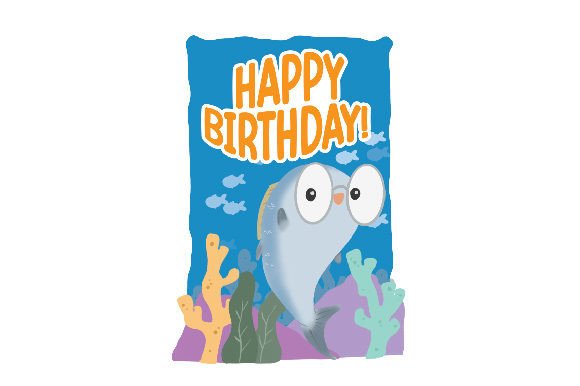
When I opened the Birthday Cake Topper, Kawaii School of Fish - Watercolor design, my first thought was that it’s wonderfully optimistic. This isn’t a generic birthday graphic; it’s a little scene. The watercolor style implies softness, and the kawaii aesthetic brings an instant, friendly joy. The layout, with its swimming fish and celebratory cake, creates a central focal point perfect for a topper’s purpose. The detail level feels balanced—enough to be charmingly detailed, but not so dense that it would become a stitching nightmare on smaller items. This design has a personality that leans toward youthful celebration, gifts, and personalized items.
Where This Design Finds Its Natural Home
In practical use, this design sings on projects that carry a message of care and celebration. I immediately pictured it on a custom baby’s first birthday sweatshirt or a playful tote bag for a birthday party gift-giver. The theme makes it a natural fit for personalized gifts, like an embroidered pillow cover for a child’s bedroom or a kitchen towel for a baking enthusiast. For small businesses, especially those selling on Etsy or at craft fairs, this design translates beautifully into boutique merchandise. Think of it on the corner of a linen apron for a creative chef or as a central motif on a lightweight blanket for a nursery. Its watercolor, fairy-tale-like vibe fits the Crafts category intuitively, offering a handcrafted, artistic feel that buyers appreciate.
A Real Scenario: Crafting a Birthday Tote Bag
Let’s walk through a real case. I’m considering using this embroidery file for a custom tote bag order. The client wants a unique gift for a friend who loves both baking and whimsical art. The Kawaii School of Fish design feels perfect. On a natural canvas tote, the soft watercolor style would stitch out with a lovely texture, avoiding a harsh, graphic look. I’m thinking about thread colors—maybe softer pastels for the fish and a bold pop for the cake candles to maintain that kawaii contrast. The design’s size and shape would sit nicely on the bag’s front panel, creating a product that feels both useful and deeply personal. This is the kind of project where the design elevates a simple item into a memorable gift.
Performance Across Different Embroidery Projects
For apparel, like sweatshirts or t-shirts, the design works well given its likely moderate stitch count. On baby clothes, it’s charming but requires careful stabilizer choice due to delicate fabrics. As an embroidered patch, it would be stunning, allowing for application on caps or jackets. For home decor, such as pillow covers or tea towels, the theme adds a celebratory touch to everyday objects. In commercial embroidery projects, like a small run of aprons for a boutique, it offers consistent, recognizable branding that’s friendly rather than corporate. The included SVG and transparent PNG files are invaluable here for creating printable mockups and digital product previews to attract buyers before stitching.
Where to Exercise Some Caution
While versatile, this cake topper design requires thoughtful application in a few scenarios. On very small hoop sizes, the fish and cake details might lose clarity if the design is scaled down too much. On textured fabrics like certain knits, the watercolor blends might not read as clearly. Stretchy fabric demands excellent stabilizer to keep the satin and fill stitches smooth. Embroidering on dark fabric would necessitate a careful review of thread color contrast—some of those soft watercolor hues might need adjusting to maintain visual pop. On curved surfaces like caps, the central circular layout should work, but testing on scrap fabric first is essential. Also, for products destined for frequent washing, like kitchen linens, ensuring robust stitch density and secure threads is a must.
The Impact on Your Work and Your Customer
Using a design with this much character directly affects your outcomes. The stitching clarity, when executed well, builds customer trust—they see a clean, professional handmade product. The visual appeal increases the perceived value of your item, whether it’s a holiday gift or small shop merchandise. For creative entrepreneurs, it supports brand consistency if your niche is whimsical, celebratory crafts. The giftability is high; this isn’t just a logo, it’s a story. That recognition factor is what makes a buyer choose your embroidered tote over a generic one. Professionally, having design assets like this that include multiple formats (SVG, EPS, DXF, PNG) streamlines your workflow from digital preview to the machine embroidery design itself.
Practical Notes Before You Hoop Your Fabric
Before running this birthday cake topper, here’s my standard review checklist. Always test the embroidery file on scrap fabric identical to your project fabric. This reveals how the fill stitches behave and if any small details, like tiny candle flames, need adjustment. Check your thread color palette against your background fabric in both light and dark mockups. Review the overall stitch density in your software; a watercolor style might use gradients that affect density. Confirm the hoop size you intend to use accommodates the design comfortably—don’t force it into a tiny hoop. Inspect the design in black and white view to check for potential stitching issues in detailed corners. Use the proper stabilizer for your fabric type; this is non-negotiable for clarity. Finally, as this design is likely for both personal and commercial use, always confirm the licensing terms before selling finished items or incorporating it into digital products for sale. The product description notes you receive multiple formats, which is excellent for flexibility, but specifics on stitch count or exact compatibility are not listed, so verifying those in your embroidery system is a key step.
Final Thoughts: A Design That Brings a Smile
The Birthday Cake Topper, Kawaii School of Fish - Watercolor is more than a graphic; it’s an invitation to create something delightful. Its strength lies in its mood—it makes people smile. For embroidery designers and makers, it provides a reliable, charming asset that adapts across a range of projects, from baby embroidery to commercial embroidery for a craft business. Its practical success depends on your careful preparation, but the reward is a finished product that feels thoughtfully designed and joyfully made. That’s the kind of result that keeps clients coming back and makes your handmade work stand out.