The Fishnet Trap: A Watercolor Forest Adventure
First Impressions: Storybook Charm Meets Modern Craft
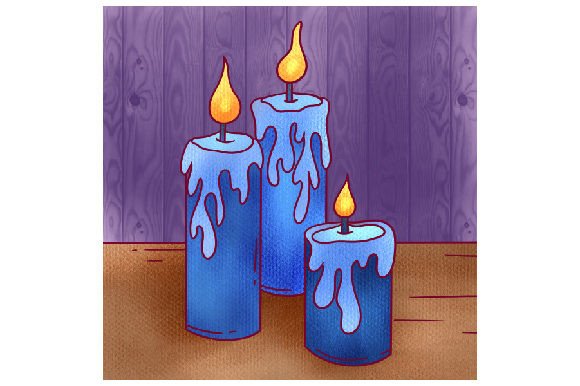
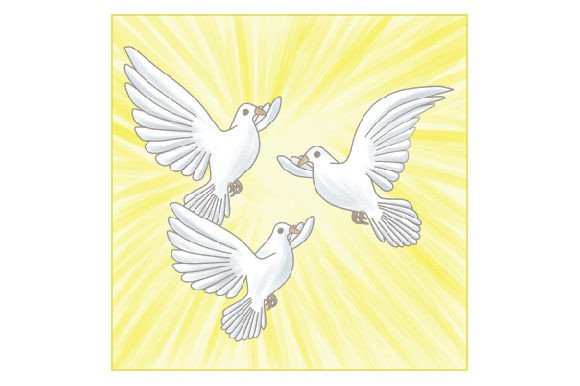
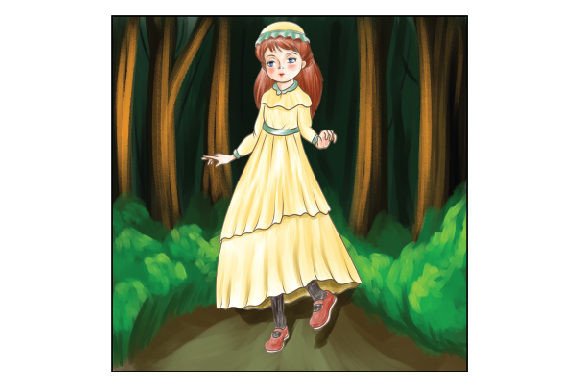
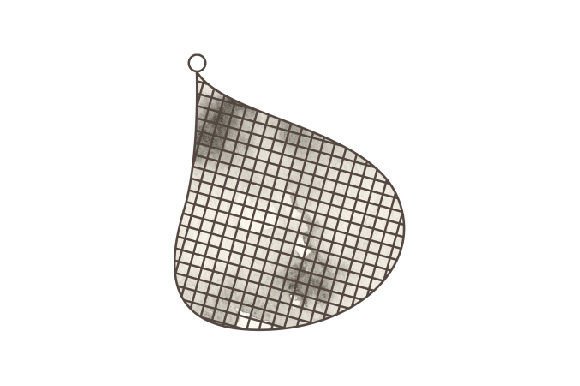
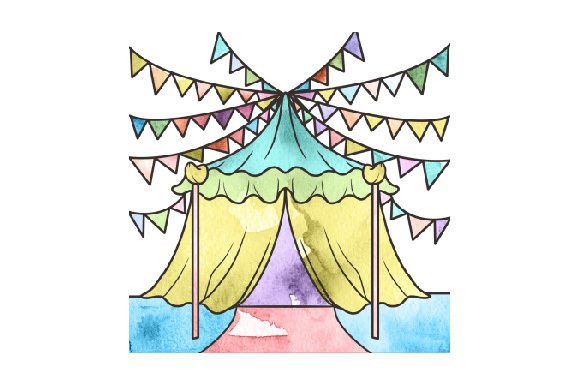
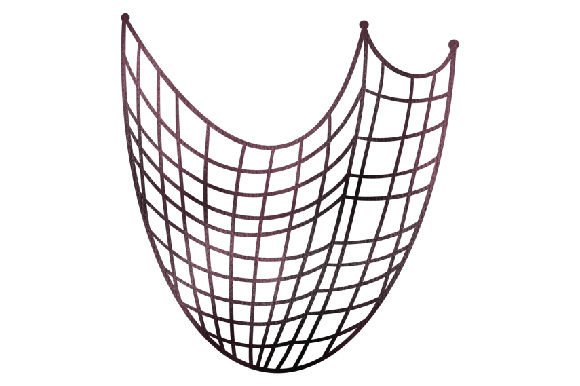
When I first opened The Fishnet Trap, the Forest Adventures, its watercolor aesthetic immediately struck me. This isn't a rigid, graphic illustration; it feels like a page from a whimsical storybook. The soft, blended colors and gentle outlines suggest a design meant to evoke a mood rather than shout with bold lines. The theme sits perfectly within the Fairy Tales category, but it has a contemporary, artistic twist that broadens its appeal beyond classic nursery decor. For crafters and designers, this signals a project that leans towards visual personality and emotional connection, rather than stark precision. My designer’s mind instantly started picturing it on linen, on cotton—fabrics that carry a tactile, natural feel to complement that watercolor softness.
The Natural Project Fit: Where This Design Belongs
I envisioned a specific scenario: a custom-ordered baby blanket for a nature-loving family. The gentle, adventurous theme of the design, with its implied forest narrative, makes it a perfect candidate for personalized gifts and boutique nursery items. It would also shine on a linen pillow cover in a cozy reading nook or as a subtle, artistic detail on a tote bag for a gardener or hiker. The crafted, handmade presentation this design supports is significant. It doesn’t look mass-produced; it looks like a story waiting to be told through thread. For small shop owners and Etsy sellers, that storytelling quality can be a key selling point, elevating a simple embroidered tea towel or apron into a unique piece of small shop merchandise.
Performance in Real-Life Embroidery Situations
Moving from impression to practical application, let's consider how this embroidery file will perform when the needle starts moving. The provided formats—SVG, PNG, EPS, DXF—are a robust set for digital embroidery file use, allowing flexibility for different software and machines. The transparent PNG is particularly valuable for creating clean printable mockups for your online listings.
On projects like sweatshirts or t-shirts, the watercolor style’s softer edges could help it integrate beautifully with the fabric texture, avoiding a harsh, printed-on look. For a tote bag design, especially a natural canvas one, it would enhance the product's artisanal value. I would, however, approach cap embroidery or hats with a bit of caution. The curved surfaces of caps can sometimes distort larger, more detailed areas, so a test run on scrap fabric is essential here. On flat surfaces like pillow covers, kitchen towels, or patches, this design should sing. Its likely use of fill stitches for the color blocks means stitch density will be a crucial factor to check on your specific machine to ensure smooth coverage without puckering.
Where to Exercise a Little More Care
Any design with a potential for detailed corners and blended color areas requires thoughtful application. For The Fishnet Trap, I'd be mindful of using it on very stretchy fabric or exceptionally thin fabric without the correct, robust stabilizer. The design's success will hinge on maintaining the integrity of those watercolor blends. On dark fabric backgrounds, thread color contrast becomes paramount. You'll need to test whether the intended soft palette pops sufficiently or if you need to adapt the colors slightly for optimal visual appeal. Also, for items destined for frequent washing, like baby clothes or aprons, ensuring the stitch structure is secure and the threads are high-quality will protect that beautiful handmade look over time.
Impact on Your Business and Customer Perception
From a commercial embroidery perspective, this design affects more than just the stitch. It influences customer trust and buyer engagement. A well-executed version of this on a product tells a customer you understand aesthetic nuance. It supports brand consistency for shops focused on nature, whimsy, or storytelling. For holiday gifts or wedding gifts, its unique, illustrative quality enhances its giftability—it feels thoughtful and specially chosen.
When listing this on Etsy or presenting it at a craft fair, the design's inherent charm can be a powerful tool. A high-quality embroidered sample, perhaps on a neutral-toned blanket or a simple tote, will showcase its potential far better than a generic digital preview. It invites a customer to imagine the story in their own life, which is a powerful engagement driver. It elevates a basic craft business item into a design asset.
Practical Designer Notes Before You Hoop It
Before you commit this to a client’s project or your best-selling sweatshirt, here’s my real-use checklist:
- Always test the design on scrap fabric first, using the same material and stabilizer you plan for the final product.
- Review the stitch density in your software if possible; watercolor effects can sometimes use varied density, and you want to ensure it’s suitable for your target fabric.
- Check the small details. Are there any tiny elements that might become lost or muddy in stitching? A quick test will reveal this.
- Run both light and dark fabric background mockups (even simple black and white value checks) to assess contrast and readability.
- Confirm the hoop size required. While the product details don’t specify an exact size, your machine software will indicate the necessary dimensions. Ensure it fits your planned hoop and project scale.
- Use proper stabilizer. For a design with likely fill stitches, the right stabilizer is non-negotiable for a clean finish.
- Most critically, confirm the licensing terms before selling finished items or digital products. The product description doesn’t explicitly state commercial use rights, so it is your responsibility to verify this to protect your business and professionalism.
The Final Stitch: A Design With Heart
The Fishnet Trap, the Forest Adventures in its watercolor style is more than just an embroidery file. It’s a mood piece. It won’t be the right fit for every project—it won’t scream from a baseball cap or work on ultra-busy textured fabrics. But for the right project—a cherished blanket, a boutique pillow, a gift that tells a gentle story—it offers a distinctive charm that standard graphic designs often lack. It asks for a bit more care in preparation but rewards you with a finished product that feels artistic, thoughtful, and deeply handmade. For the crafter, hobbyist, or creative entrepreneur looking to add a touch of storybook adventure to their work, this design is a compelling forest path worth exploring.