Testing the Little Girl from the Village Watercolor Design for Your Crafts Shop
A Seller's First Impression
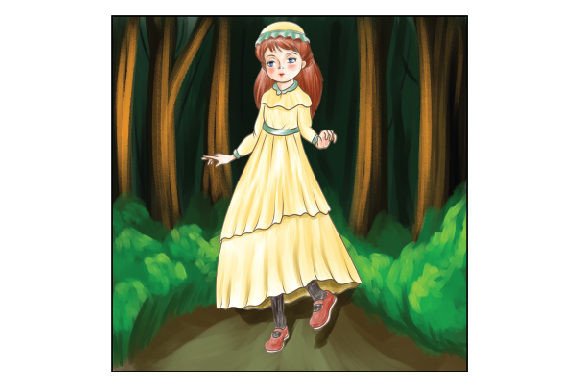
When I opened the Little Girl from the Village Watercolor file, the immediate vibe was rustic charm with a touch of gentle whimsy. This isn't a hyper-modern, bold graphic; it's a soft, illustrative asset that feels handmade and nostalgic. The watercolor style gives it a warmth and personality that instantly positions it within the fairy tale and cottage-core niches. It would attract customers looking for something sweet, decorative, and slightly sentimental—ideal for mothers, grandparents, or anyone creating products for a cozy, feminine, or storybook aesthetic.
Niche Appeal and Visual Personality
The design leans heavily into a rustic and elegant feel. It’s cute without being childish, and decorative without being overly ornate. This balance is crucial for commercial use. It can work for products targeting adults who appreciate a softer, artistic touch, as well as for children's items where the theme is more about fantasy and gentle storytelling. The watercolor texture adds a premium, artistic quality that elevates it beyond flat clipart, which customers often perceive as having higher value.
Practical Applications for Selling
From a purely commercial standpoint, the included file formats—SVG, transparent PNG, EPS, and DXF—mean this digital product is ready for almost any craft or print-on-demand application. The real test is how it performs across different product types.
High-Probability Product Fits
For my shop, I would first test the Little Girl from the Village Watercolor on products where its delicate style shines. Printable wall art, especially for nurseries or cozy home decor, is a natural fit. The PNG file is perfect for creating digital Canva templates for invitations, greeting cards, or blog graphics. The SVG makes it a contender for Cricut projects like detailed planner stickers, scrapbooking elements, or even intricate vinyl decals for glass tumblers if the cut lines are clean.
Sublimation designs on mugs or tote bags could work beautifully, given the design’s central focus and soft color palette. It would also be a strong candidate for inclusion in a fairy tale-themed digital bundle—clipart packs, digital paper collections, or social media template kits for small businesses in that niche.
Where This Asset Boosts Product Presentation
In online marketplaces like Etsy or Creative Fabrica, presentation is everything. This illustration can significantly aid in creating attractive listing images and mockup previews. Its inherent visual appeal helps with thumbnail click-through potential. Using it in a clean mockup—for example, on a mock mug or as a framed print—immediately tells a story and builds customer trust in the quality of the final product.
It supports brand consistency for shops focusing on handmade, rustic, or fairy tale crafts. By using this graphic across a seasonal collection—say, a spring-themed series of printables—you create a cohesive look that increases perceived value. It’s also excellent for larger product previews and decorative layouts in listing descriptions, where you want to showcase the design detail.
Notes on Bundling and Extending Value
Consider pairing the Little Girl from the Village Watercolor with complementary design assets. Bundling it with other rustic illustrations or matching typography can create a more complete product offering. Test it alongside different font styles: a delicate script font for elegant invitations, a clean sans-serif for modern minimalist prints, or a classic serif for a more traditional greeting card template. This experimentation maximizes its commercial utility.
Potential Pitfalls and Required Testing
While the design has strong appeal, its watercolor detail means it must be used carefully in certain contexts. For Cricut or Silhouette sticker projects, the SVG file needs to be inspected for clean, continuous cut lines—fine watercolor textures can sometimes create overly complex paths that cause cutting issues. Always test a small cut first.
On dark backgrounds, the softer tones might lose contrast and become less visible. It’s crucial to preview the PNG on both white and dark mockups to ensure it pops. For tiny product details, like on small enamel pin mockups, the intricate details might get lost; it works best at a medium to large scale.
Low-resolution print products are a risk. Verify the file resolution is high enough for large format printing if you're selling wall art. Also, in crowded marketplace thumbnails, this design needs a simple, contrasting background to stand out against competitor listings.
Essential Seller Checklist Before Listing
- Run a color test print on your home printer to check for any unexpected dullness or bleeding in the watercolor areas.
- Import the SVG into your cutting software and preview the cut lines. Simplify the path if necessary for a clean cut.
- Place the PNG on various product mockups (t-shirt, mug, journal, digital template) to see which context sells the design best.
- Check the transparency of the PNG file against different colored backgrounds to ensure no white artifacts remain.
- Organize the delivered files clearly for your customers. Label them appropriately if you’re selling the design as a digital download.
- Finally, and most importantly, confirm the commercial licensing terms of the original asset. Only sell finished products if you have clear, unambiguous commercial rights.
Final Thoughts for Your Creative Business
The Little Girl from the Village Watercolor is a versatile graphic design asset for a specific, popular niche. Its strength lies in its artistic texture and thematic clarity, making it a solid choice for fairy tale-inspired crafts and digital products. For sellers, its real value is unlocked through methodical testing across your intended product range—from printable designs to physical merchandise. It won’t fit every product in your shop, but for the right collection, it can become a key visual element that enhances your brand identity and helps your listings look more professional and cohesive. Approach it as a business tool: test it, adapt it, and use it where its visual personality aligns with your target customer’s expectations.