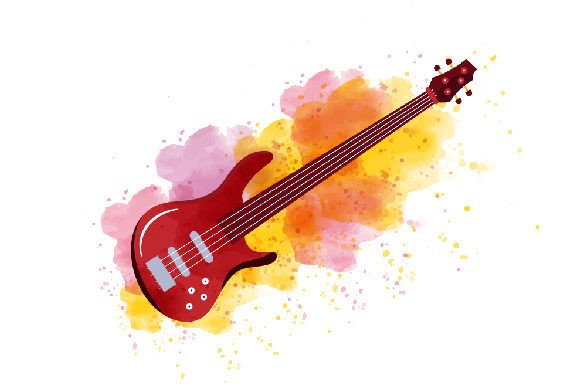
Bass Guitar, Watercolor Design for Music Crafts & Selling
First Impression: Mood & Niche Appeal
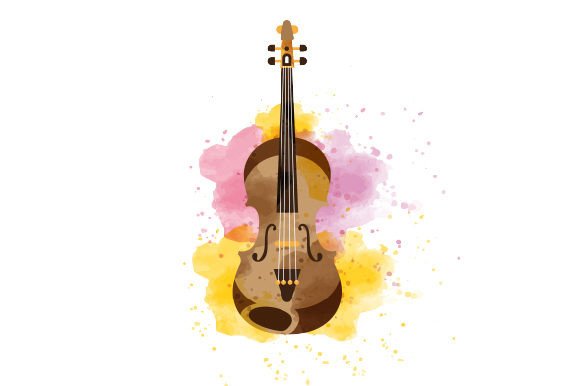
Opening the files for the Bass Guitar, Watercolor design, the first thing that strikes me is its relaxed, artistic vibe. This isn't a hyper-realistic technical drawing; it feels handmade and expressive. The watercolor style gives it a soft, decorative personality that’s both playful and premium. This immediately suggests a specific buyer: not just bass players, but anyone drawn to music-themed décor, gifts, or personal projects with a creative, slightly rustic touch. It appeals to that audience looking for something more personal than a stock photo.
For my online shop, this kind of graphic design asset adds visual storytelling. It tells customers that my products are crafted with an artistic eye, which can boost perceived value. I'm thinking about niches like music-themed home goods, gifts for musicians, or crafting supplies for scrapbooking and card-making.
Real Product-Selling Applications
Now, let's get practical. Here’s how I would test Bass Guitar, Watercolor across different product types before publishing any listings.
Primary Uses: Digital & Printable Products
Given the file formats—SVG, transparent PNG, EPS, and DXF—this design is set up for versatility.
- SVG & Cut Projects: This is perfect for Cricut or Silhouette projects. I’d test it first on sticker designs (planner stickers, laptop decals) and simple t-shirt graphics. The watercolor edges need checking for clean cutting lines, but the solid bass shape looks promising.
- Transparent PNG Applications: The PNG is a powerhouse. I’d use it instantly in Canva templates for greeting cards or social media graphics. It’s also ideal for sublimation designs for mugs, tote bags, or tumbler wraps, where that soft aesthetic works beautifully.
- Printable Designs: As a digital download, this shines as printable wall art for a music room or nursery. With its decorative style, it could anchor a whole music-themed digital paper pack or scrapbooking kit.
Supporting Product Presentation
A good design asset doesn't just make the product; it helps sell it.
- Mockup Previews & Thumbnails: Placing this Bass Guitar, Watercolor illustration on a mockup—like a framed print or a mug—creates compelling listing images. Its artistic style can increase click-through potential by standing out in a crowded marketplace like Etsy.
- Building Collections & Bundles: This design could be part of a “Music Studio” themed bundle with other instruments. Using a consistent style like this watercolor look across a collection builds brand consistency and encourages larger purchases.
- Social Media & Promotional Visuals: This PNG makes excellent blog graphics or promotional visuals for a small business focusing on music crafts. It helps with visual storytelling, building customer trust around a cohesive brand identity.
Optimal Use Cases
For maximum impact, I’d deploy Bass Guitar, Watercolor in these situations:
- Large Product Previews: On the main image of a listing for a poster or art print, the details will be appreciated.
- Themed Bundles on Creative Marketplaces: As part of a clipart bundle or Canva template pack on platforms like Creative Fabrica.
- Merchandise with Decorative Layouts: On a tote bag or cushion where the design can be a focal point without competing with text.
- Digital Downloads for Print-on-Demand: As a core graphic for sellers using POD services, where the high-quality files are key.
Potential Pitfalls to Test
As an experienced seller, I always check these points before committing:
- Tiny Details: The watercolor texture might get lost on very small sticker details or crowded thumbnails. Test scaling down.
- Low-Resolution Print Products: Ensure the provided files are high-res enough for large format prints if you're selling physical art.
- Dark Backgrounds & Contrast: The softer tones may need a boost or a white backdrop for good visibility on dark merchandise.
- Text-Heavy Templates: If using this in an invitation template, pair it carefully with fonts; it might compete with busy script fonts.
- SVG Cut Quality: For intricate Cricut projects, verify the SVG paths are clean and not overly complex for cutting machines.
Practical Seller Notes Before You List
Here is my checklist for integrating Bass Guitar, Watercolor into my commercial product lineup:
- Mockup Testing: Don't just look at the file. Place it on real product mockups—a t-shirt, mug, and framed print—to see how it feels in context.
- Thumbnail Preview: Simulate how it will look as a small thumbnail on Etsy or Shopify. Does it still grab attention?
- Background Check: Preview the PNG on both white and dark backgrounds to ensure transparency works and contrast holds.
- Print Color Test: If selling physical items, do a test print to check if the watercolor colors translate accurately from screen.
- File Organization: If bundling it, organize the files clearly for your customers. Label them (Bass Guitar_Watercolor_SVG) to avoid confusion.
- Font Pairing Experiments: Try pairing the design with different font styles for complementary products. A clean sans-serif font gives a modern gift card feel, while a subtle script font might enhance a decorative invitation.
- Commercial License Confirmation: Always double-check the license of the original asset to confirm you can use it for selling finished products. This is non-negotiable.
Final Evaluation for Your Online Shop
From a business-minded perspective, Bass Guitar, Watercolor is a strong, niche digital product. Its mood fits a specific but engaged market: music lovers who appreciate crafts and handmade aesthetics. Its multiple file formats make it a versatile commercial design for everything from SVG designs for crafters to PNG graphics for content creators.
The key to success with this kind of illustration is targeted application. It won't be a one-size-fits-all graphic, but for building a cohesive music-themed section in your shop, it’s a valuable asset. It can elevate your product presentation, help you create professional-looking bundles, and support a more authentic brand identity for your handmade business.
Before hitting publish on any listing using it, run through the practical tests. That process—checking the mockups, the thumbnails, the cut lines—is what separates a hobbyist from a professional digital seller. This design has the potential to perform well, provided you place it in the right products and present it with the care its artistic style deserves.