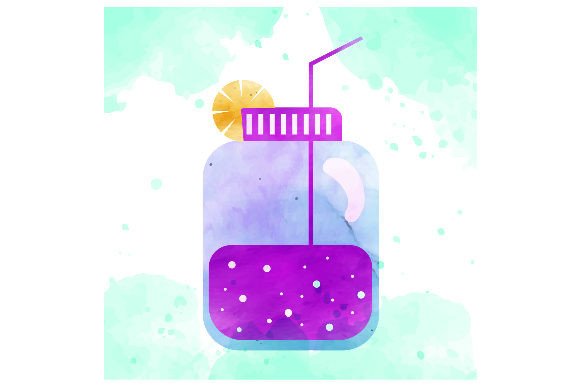
Watercolor Mason Jar Cocktail: A Versatile Craft & Food Amp Asset
As someone who regularly sources design assets for my digital product shop, my first impression of this Watercolor Mason Jar Cocktail graphic is its strong rustic, handmade, and festive personality. It immediately evokes a sense of casual celebration—perfect for summer gatherings, rustic weddings, or backyard party themes. The watercolor style gives it a soft, decorative feel that feels premium and artistic without being overly formal. This niche appeal is clear: it attracts buyers looking for a cozy, celebratory, or handmade aesthetic, likely within the food, drink, and craft communities.
Evaluating Its Place in a Real Product Collection
Right now, I'm preparing a seasonal summer collection for my Etsy digital downloads store. This illustration is a prime candidate. The mood it sets is playful and decorative, making it ideal for products aimed at party planners, DIY crafters, or small businesses with a rustic brand identity. Before I list anything, I always test a design across multiple product types to gauge its versatility.
Practical Applications for Selling
This asset comes in the key formats I need: SVG, transparent PNG, EPS, and DXF. That means I can immediately explore several commercial avenues. The SVG file is ready for Cricut projects like custom sticker sheets, invitation die-cuts, or scrapbooking elements. The high-resolution transparent PNG is perfect for quick integration into Canva templates for social media graphics, blog banners, or printable wall art. I can see this design working as a focal point on t-shirt graphics or mug designs, especially for print-on-demand. It could anchor a set of planner stickers or be part of a larger clipart bundle themed around summer drinks. For a digital paper pack or scrapbooking kit, this watercolor illustration would add beautiful decorative texture.
Strengths in Product Presentation & Sales
A major consideration is how a design asset helps present your products professionally. This Watercolor Mason Jar Cocktail has qualities that boost perceived value. Its soft, artistic style lends itself well to product mockups. Placing it on a mockup of a rustic mug or a linen tote bag instantly creates a compelling listing image. The visual storytelling is clear: it suggests homemade cocktails, relaxed gatherings, and crafty creativity. This can significantly improve thumbnail appeal on marketplace grids, as it's visually distinct and emotionally inviting. For building a seasonal collection, this asset could be bundled with complementary designs (like watercolor fruits or picnic elements) to create a cohesive, higher-value digital product bundle, enhancing brand consistency for my shop.
Optimal Use Cases for Maximum Impact
Based on its style, this graphic design asset works best in specific contexts. It’s excellent for large product previews where the watercolor details can shine, like in printable wall art or as a main graphic on a tumbler wrap. It fits beautifully into themed bundles for summer, weddings, or farmhouse decor. Its decorative nature makes it ideal for invitation templates or greeting cards where it can be the central illustration. For social media promos or blog graphics, it can attract attention and set a specific mood. In short, it's a strong choice for products where the art is the hero.
Points of Caution and Pre-Publishing Checks
However, not every design is universally perfect. There are areas where this asset should be used carefully. The watercolor details, while beautiful, might become lost or muddy if used for tiny sticker details, especially if the design is scaled down too much for a small planner sticker. In overly complex layouts with too many other elements, its impact could diminish. While the PNG is transparent, using it on very dark backgrounds might require a white border or adjustment to maintain weak contrast. For Cricut or Silhouette projects using the SVG, I need to inspect the cut lines—watercolor edges can sometimes be soft, so ensuring clean cutting paths for intricate shapes is a must before selling it as a cut-ready file. It's less suited for text-heavy templates where the illustration might compete with readability.
Essential Seller Notes Before You List
My process before committing any new asset to my shop involves several practical tests. For the Watercolor Mason Jar Cocktail, I would:
- Test the design on real mockups for key products like mugs, shirts, and digital art prints.
- Preview it as a marketplace thumbnail at a small size to see if it remains recognizable.
- Check how it looks on both white and dark backgrounds to ensure versatility.
- Run a test print, even at home, to verify color reproduction isn't too washed out.
- Verify the PNG transparency in a software like Photoshop or Canva.
- For SVG, import it into design software and inspect the vector paths for any potential cut issues.
- Confirm the file resolution is high enough for print-on-demand requirements.
- Organize the received files (SVG, PNG, EPS, DXF) clearly for my customers in a ZIP folder.
- Experiment pairing it with different font styles—a script font for elegance, a sans serif for a modern rustic mix, or a display font for bold titles—to see what complements it best for finished products.
- Double-check the commercial license terms of the original asset to ensure my derivative products are covered.
Final Thoughts on Commercial Potential
This Watercolor Mason Jar Cocktail is a useful graphic design asset for digital selling, particularly within the crafts and food amp niches. It fits products that benefit from a handmade, festive, and decorative visual personality. By testing it across the applications mentioned—from sublimation designs to digital download bundles—you can build a more professional and cohesive online product collection. Its strength lies in its mood-setting ability and format versatility, but its success depends on mindful application and thorough pre-publishing checks. For creative entrepreneurs looking to add a touch of rustic celebration to their shop, it's a solid candidate worth evaluating in your real-world product scenarios.