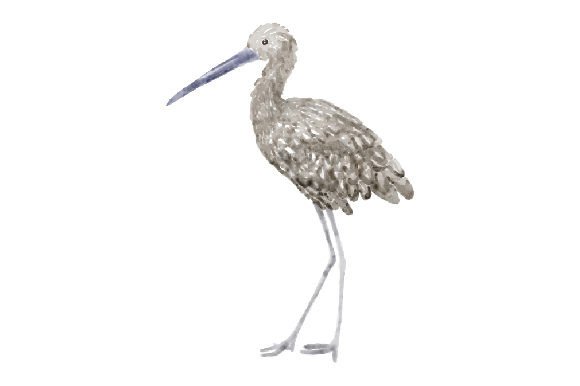
How the Limpkin Watercolor Design Elevates Handmade Embroidery
When a new embroidery file lands in my digital library, I don’t just look at the image on screen. I think about how it will translate into stitches, thread, and fabric. The Limpkin, Watercolor design is one that immediately caught my eye, not just as a pretty picture, but as a potential star for a range of real-world embroidery projects.
A First Impression of Graceful, Artistic Simplicity
This design creates a mood of serene, natural artistry. The watercolor style gives the limpkin bird a soft, painterly quality that feels both modern and timeless. The shape is elegant, with a layout that balances detail with open space, avoiding the overly dense feel that can overwhelm a garment. Its visual personality is calm and sophisticated, belonging naturally to projects meant for thoughtful gift-giving or quiet, beautiful decor.
The Perfect Project Partners for This Watercolor Bird
In my mind, I immediately start pairing designs with products. For Limpkin, Watercolor, I picture it stitched onto a linen tote bag for a book-loving friend, becoming a unique statement piece. I see it on the corner of a high-quality cotton pillow cover, adding a touch of wildlife art to a living room. It feels ideal for a baby’s blanket or a nursery item, where the soft colors and gentle theme are perfect.
For small business merchandise, this embroidery design has strong potential. An Etsy seller specializing in nature-themed aprons or kitchen towels could use this as a signature piece. As a custom apparel item, a single placement on a left chest of a classic sweatshirt would elevate it from basic to boutique. The design’s artistic flair boosts perceived value, encouraging customer trust in the craftsmanship of your handmade product.
Where This Design Excels and Where It Needs Care
Because of its watercolor aesthetic, which often uses softer fills and transitions, this design performs wonderfully on stable, smooth fabrics like canvas, linen, cotton twill, or felt. These surfaces allow the stitches to lay flat and the artistic effect to shine. It’s a fantastic candidate for creating an embroidered patch, given its contained, cohesive shape.
However, this is where practical judgment comes in. On highly textured fabrics, like a loose-knit sweater, the subtle gradients might lose clarity. On very thin or stretchy fabric, careful stabilizer choice is non-negotiable to prevent puckering. Stitching it onto a curved surface like a cap requires considering how the bird’s elongated shape will conform to the curve—testing on scrap fabric first is a must.
I always advise checking small details. If the design has any particularly fine lines (like delicate legs or beak details), you’ll want to ensure your machine, thread weight, and chosen hoop size can render them clearly. Testing the design in a simple black and white mockup can help you assess the contrast and basic shape integrity before committing thread.
Making It Work on Light and Dark Backgrounds
A key step for any embroidery designer is visualizing the design on both light and dark fabric backgrounds. The watercolor style often implies lighter color palettes. On a dark sweatshirt or bag, you may need to plan for a slightly different thread color strategy to ensure the limpkin still pops with its intended softness, perhaps using a mid-tone base to anchor the design. This is a crucial part of maintaining professional quality across all your products.
How This Design Impacts Your Craft Business
Using a design like Limpkin, Watercolor consistently across a product line—say, a series of bird-themed tea towels and apron sets—builds strong brand consistency. Its giftability is high; it feels personal and artistic without being overly sentimental. For holiday gifts or wedding presents, an item embroidered with this design carries recognition and thoughtfulness.
From a commercial embroidery standpoint, it’s a design that can attract a specific buyer: someone looking for nature-inspired, calm decor. This engagement is valuable for small shop owners and craft fair vendors. It also serves beautifully as a design asset for creating printable mockups to preview your digital embroidery file listings or finished products online.
Essential Designer Notes Before You Stitch
Before loading this machine embroidery design for a real project, do your homework. While the provided file formats like SVG, PNG, EPS, and DXF are versatile for different uses, always confirm the specific stitch count, recommended hoop size, and machine compatibility from the source before starting. These details are critical for smooth production.
Review the stitch density in your software preview. Watercolor effects can sometimes lead to dense fill stitch areas; adjusting if needed can save thread and prevent fabric strain. Check thread color contrast against your actual project fabric—don’t rely solely on the screen colors.
Finally, a note on licensing: always confirm whether the design is cleared for both personal and commercial projects before you sell the finished items. This protects your business and respects the digital product creator. Once cleared, the Limpkin, Watercolor design becomes a reliable, beautiful asset in your embroidery toolkit, ready to bring a touch of graceful nature to your next craft business creation, personalized gift, or custom apparel project.