Happy Love Day, Watercolor: A Designer's Honest Take for Real Projects
When you open a new embroidery file, especially one with a title like Happy Love Day, Watercolor, you’re not just looking at pixels—you’re envisioning a finished product. You’re thinking about how the stitches will lay, what the customer’s face will look like when they see it, and whether it will earn its place on a sweatshirt, a tote bag, or a holiday gift. Let’s walk through this design from that perspective, the way I do before committing it to hoop and thread.
The First Glimpse: Soft Charm with Practical Potential
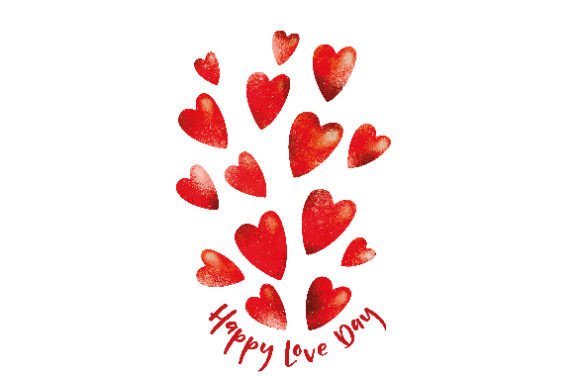
The immediate impression of Happy Love Day, Watercolor is its gentle, celebratory mood. It avoids hard lines and bold declarations, opting instead for a softer, artistic feel. This isn’t a shout; it’s a warm, handwritten note. That watercolor aesthetic in the title suggests blended colors and soft edges, which translates beautifully into embroidery using fill stitches with thoughtful color gradients. The layout likely balances the phrase “Happy Love Day” with supporting decorative elements—perhaps hearts, flowers, or subtle flourishes—arranged in a way that feels organic, not rigid. This visual personality makes it a natural fit for projects where emotion and handmade charm are the priority, like personalized gifts or boutique merchandise aimed at a heartfelt connection.
Where This Design Finds Its Perfect Home
I’m picturing a custom order for a client’s anniversary: a simple linen pillow cover or a cozy fleece blanket. Happy Love Day, Watercolor would shine here. Its theme naturally aligns with Valentine's Day and broader Crafts celebrating love, making it ideal for holiday-specific products. But its appeal isn’t locked to February. Think of wedding gifts, nursery decor, or a special-order baby outfit. For small business owners and Etsy sellers, this design could anchor a whole line of holiday embroidery items—tea towels, aprons, or kitchen sets sold as gift bundles.
The provided formats—SVG, PNG, EPS, DXF—are a strong start for digital product sellers and creative entrepreneurs. They allow for scaling and adaptation, crucial for printable mockups and digital product previews that help sell the idea before the stitch. For apparel decorators, imagine this on the left chest of a high-quality sweatshirt or centered on a canvas tote bag. It becomes a statement piece that feels premium yet approachable.
Scenarios Where You Might Want to Proceed with Caution
Not every design is universally suited. The watercolor style, implying blended details and potentially smaller lettering, demands attention in certain applications. On small hoop sizes, the intricate details might lose clarity. Stitching it onto textured fabrics like a coarse knit or onto very thin, stretchy fabric could distort those soft edges. Dark fabric backgrounds require careful thread color contrast planning to maintain the light, airy feel.
Consider the product’s end use. On a cap or a curved surface, the design’s layout might need adjustment to avoid distortion on the seam. Items destined for frequent washing, like baby clothes or kitchen towels, need a robust stitch density that holds up—check that the file’s stitch construction supports durability in high-wear areas. The tiny decorative accents and lettering in “Happy Love Day” are beautiful, but they must be stitch-perfect to avoid a messy look; a running stitch might not suffice here, and satin stitches need precise calibration.
The Real-World Impact on Your Work and Your Customer
Choosing the right embroidery file directly impacts your project’s perceived value. A well-executed Happy Love Day, Watercolor design elevates a simple item. The handmade presentation feels intentional and artistic, boosting customer trust and engagement. For a craft business, consistency in using designs with this aesthetic can strengthen your brand’s visual identity. Its inherent giftability is a huge plus—it looks like something made to be given, which is a powerful selling point for Etsy listings and craft fair products.
From a commercial embroidery perspective, the design’s professionalism hinges on execution. Clean stitching with clear color separation makes it look like a premium asset, not a generic clipart. This affects buyer engagement on digital marketplaces too; a clean, well-presented mockup using the transparent PNG can make your listing stand out.
A Pocketful of Practical Notes Before You Hoop
My rule is always to test first. Run Happy Love Day, Watercolor on scrap fabric identical to your final project material. This reveals the true stitch density, how the fill stitches interact, and whether any small details get lost. Check thread color contrast meticulously—view the design in a black and white mockup to gauge value contrast independent of hue. This tells you if it will pop on both light and dark backgrounds.
Always use the proper stabilizer for your chosen fabric; a watercolor-style design often has varied stitch areas that can pull differently. Confirm the hoop size needed by examining the design dimensions in your software—don’t assume. Most importantly, before selling finished items or digital products, confirm the licensing terms for this file. The description doesn’t specify, so it’s your responsibility to verify whether it’s cleared for personal and commercial projects. This protects your business and respects the designer.
Finally, think beyond the single project. How does Happy Love Day, Watercolor fit into your broader offering? Could it be part of a love-themed collection? Would it work as an embroidered patch applied to different products? Your thoughtful evaluation turns a simple download into a reliable, profit-generating design asset.
In the end, this design feels like a versatile, emotionally resonant tool for makers. It’s not just a pattern; it’s a potential favorite in your customer’s home, a well-loved gift, or a steady seller in your shop. Approach it with a practical eye, prepare your machine and materials with respect to its details, and it will repay that attention with beautiful, real-world results.