A Watercolor Cookie for Spooky Christmas Crafts
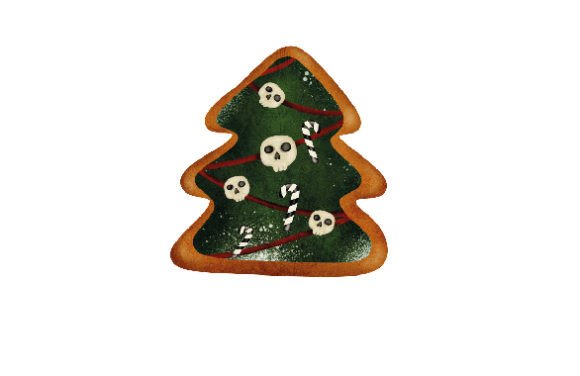
As a designer who builds content websites, my first glance at a graphic asset is always about editorial mood. This Spooky Christmas Skeleton Gingerman Cookie, presented in a soft watercolor style, immediately strikes a playful yet artistic chord. It’s decidedly seasonal, bridging the gap between Halloween’s whimsy and Christmas’s craft tradition. The aesthetic isn’t corporate or minimalist; it’s decorative, creative, and carries a handmade feel that supports niches like holiday DIY, alternative Christmas content, and creative lifestyle blogging.
The Editorial Mood & Content Niche Fit
This design asset creates a specific visual tone: it’s inviting, slightly quirky, and visually warm despite the skeleton theme. For a reader, this signals content that is approachable, craft-focused, and potentially fun. It builds a sense of creative community rather than formal instruction. This graphic naturally supports blog categories around unique holiday crafts, watercolor art tutorials, spooky-Christmas gift guides, or printable decoration projects. It feels perfect for publishers aiming to stand out from the standard festive imagery.
Publishing Workflow: Where This Asset Shines in Real Projects
In a real publishing day, this watercolor cookie becomes a versatile tool. The provided formats—SVG, PNG, EPS, DXF—mean I can adapt it across platforms. My immediate uses would be:
- Blog Featured Images & Article Headers: Its transparent background makes it ideal for overlaying on textured blog layouts, creating a strong visual anchor for posts about skeleton cookie recipes or unusual Christmas crafts.
- Pinterest Graphics & Social Media Posts: The illustrative detail and soft colors are inherently clickable. It can be the centerpiece of a Pinterest pin for a downloadable tutorial, driving traffic from visual platforms.
- Downloadable Resources & Lead Magnets: As part of a digital guide, worksheet, or eBook cover on “Spooky Christmas Crafts,” it elevates the perceived value of the content upgrade, encouraging email sign-ups.
- Newsletter Graphics & Digital Ads: For a holiday campaign or affiliate content promoting craft kits, this graphic provides clear category recognition and a friendly brand touchpoint.
- Website Banners & Category Thumbnails: On a craft blog, using this as a visual for a “Spooky Christmas” category page instantly communicates the content theme and improves site navigation.
How This Design Supports Content Performance
Beyond decoration, a strong graphic design asset like this serves functional publishing goals. When integrated thoughtfully, it contributes to:
- Stronger First Impression: A polished, unique hero image builds reader trust from the moment they land on a page.
- Better Click-Through Potential: On social media or in email, a distinctive, high-quality visual stands out in crowded feeds.
- More Consistent Branding: Repeated use across blog graphics, printables, and social media previews creates a cohesive visual identity for a niche publisher.
- Improved Reader Trust: Professional-looking content pages, supported by well-executed editorial design, signal authority and care.
- Clearer Visual Hierarchy: This asset can act as a focal point, organizing text and calls-to-action around it for better readability.
Optimal Placement: Hero Images, Pins, and Content Upgrades
For maximum impact, I’d deploy this watercookie design as a large hero image at the top of a key blog post. Its detail deserves space. It’s equally effective as a tall Pinterest pin graphic, combined with bold text. For downloadable resources like digital guides or Canva templates for crafters, it makes the cover or interior accents feel specially designed, not generic.
Considerations for Careful Use
While versatile, this asset requires context-aware application. Its intricate watercolor lines and softer tones mean it should be used carefully in:
- Very Small Mobile Thumbnails: The skeleton detail may become indistinct, losing its charm.
- Text-Heavy Blog Images: If overlaid with too much copy, the delicate artwork can feel cluttered.
- Low-Contrast Backgrounds: Placing it on a similar pale background can reduce visibility and impact.
- Serious Professional or Corporate Niches: Its playful, spooky Christmas vibe is a mismatch for formal financial or legal content sites.
- Extremely Busy Layouts: It needs clean space to breathe and serve as an accent, not compete with other dense graphics.
Practical Publisher Notes & Testing Steps
Before hitting publish, I run a few practical checks with any new asset. For this Spooky Christmas Skeleton Gingerman Cookie:
- Preview Across Devices: Test how it looks as a thumbnail on mobile screens and in desktop blog layouts.
- Test with Typography: Place it beside various font styles—a clean sans-serif for headlines, a playful script for subheads—to ensure harmonious pairing.
- Check Contrast & Readability: Overlay sample headline text on the graphic to confirm text remains legible.
- Review File Size & Performance: Compress the PNG appropriately for web use to maintain fast page loads, while utilizing the SVG for scalable, crisp placements.
- Confirm Licensing for Commercial Use: For affiliate marketers and small business owners, ensure the commercial license permits use on monetized websites, paid digital products, and ad campaigns.
Ultimately, this watercolor cookie graphic is more than a festive picture. It’s a creative design asset that, when applied with editorial intent, can elevate a publisher’s visual communication. It helps craft blogs, holiday affiliate pages, and creative entrepreneur sites present content that feels polished, cohesive, and genuinely engaging—key ingredients for content that not only looks good but performs well.