A Designer’s Real-World Review of a Watercolor Easter Bunny Girl
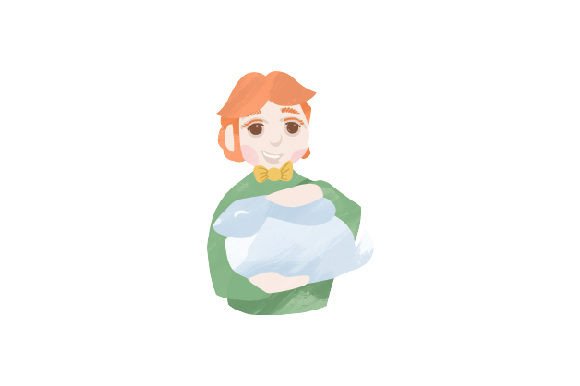
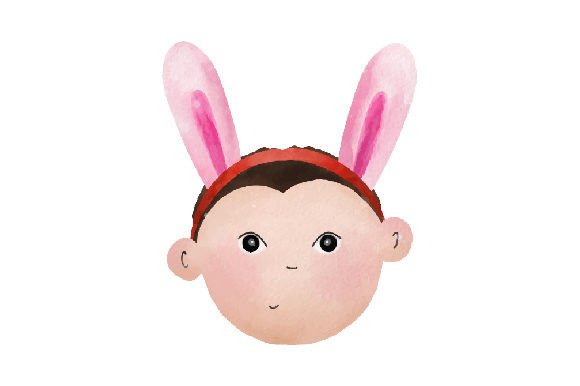
As someone who stitches for clients and my own small shop, I approach every new design with a practical eye. It’s not just about how cute it looks on screen; it’s about how it translates to thread and fabric, and ultimately, how it feels in a finished product. The Cute Girl with Easter Bunny Ears - Watercolor design immediately struck me with its soft, whimsical character. Let’s walk through what this means for real embroidery work.
The Immediate Mood and Project Fit
The first thing you notice is the watercolor aesthetic. This isn’t a hard-edged, graphic illustration; it has a gentle, painterly feel. That softness creates an instant mood of tenderness and springtime charm. The layout is centered and balanced, with the bunny ears adding a playful touch without being overly cartoonish. This visual personality tells me it belongs to projects meant to evoke warmth and affection.
I naturally pictured it on a child’s sweatshirt, a personalized baby blanket, or the corner of a linen pillow cover for a nursery. For small business owners, think about boutique Easter gifts, a sweet addition to a spring apron, or as a focal point on a canvas tote bag sold at a craft fair. The theme is seasonal, but the “cute girl” core has a timeless appeal that could extend beyond strict Easter merchandise into general girlish charm.
Performance in Actual Embroidery Scenarios
So, how does this machine embroidery design hold up when you actually run the file? The watercolor style implies gradients and soft blends. In embroidery, this is achieved through skillful use of fill stitch patterns and clever thread color choices. For this design to shine, you’ll want to pay close attention to your thread palette. Selecting colors that transition softly—pastel pinks, gentle blues, muted yellows—will capture that watercolor effect.
On custom apparel like t-shirts or sweatshirts, it will act as a decorative accent. I’d avoid placing it on very stretchy fabric without excellent stabilizer, as the likely stitch density in the filled areas could cause puckering. On tote bags or aprons made of canvas or cotton, it will be stunning and durable. For embroidered patches, the design’s defined outline works well, but test a sample first to ensure the finer details, like the girl’s features, remain clear when stitched small.
For baby embroidery on quilts or onesies, it’s perfect in theme, but always use the softest fabrics and ensure your stitching isn’t too dense for comfort. As a holiday embroidery gift, stitched onto a kitchen towel or a pillow cover, it becomes a cherished handmade item. In commercial embroidery settings, this file is a versatile asset. The provided formats—SVG, PNG, EPS, DXF—mean it’s adaptable for digital previews, printable mockups for your Etsy listings, and direct use with embroidery machines.
Where to Exercise a Bit of Caution
Every design has its ideal applications and its trickier ones. The Cute Girl with Easter Bunny Ears - Watercolor has some detail in the face and hair. On very small hoop sizes, those details might simplify or lose clarity. Always test on scrap fabric if you plan to stitch it smaller than, say, 4 inches in height.
Textured fabrics like terry cloth or loose-weave linen can obscure the softer watercolor effect. Dark fabric backgrounds require careful thread selection—you might need to adjust colors to maintain contrast and keep that light, airy feel. On curved surfaces like caps, the central, balanced layout should work, but again, a test run is wise to check for any distortion.
Since the description doesn’t specify exact stitch counts or license terms, a crucial note: before selling finished products or digital products using this design, confirm the licensing. Most designers provide clear terms for personal and commercial use, but it’s your responsibility to check.
The Impact on Your Product and Customer
Using a design with this much character directly affects your product’s value. On a handmade product, it conveys care and artistic choice, boosting perceived quality. For customers, it’s instantly recognizable as a sweet, personalized gift item. That builds customer trust—they see you offering unique, thoughtful designs.
For your brand consistency, if your shop specializes in gentle, whimsical, or children’s items, this design aligns beautifully. It enhances giftability and buyer engagement because it tells a visual story. The professional execution of the embroidery, using proper stabilizer and quality threads, will make that story even stronger.
Practical Notes From the Hoop
Here’s my straightforward advice before you load this embroidery file:
- Test on scrap first. Use both a light and a dark scrap to see how your chosen thread colors perform.
- Check the stitch density in your software preview. If areas look very dense, consider adjusting if possible or using a firmer stabilizer.
- Inspect the small details in the design preview—the eyes, the bunny ear lines. Ensure your machine and needle size can render them clearly at your intended hoop size.
- For digital product sellers, the transparent PNG is great for mockups. Create black-and-white mockups too to see how the silhouette holds up.
- Remember, fabric texture is a partner in the final look. Smooth cotton will give the cleanest result for this watercolor style.
- Always, always confirm the license for your intended use, whether for personal joy or for your craft business.
The Cute Girl with Easter Bunny Ears - Watercolor is more than a cute graphic; it’s a design asset that, when stitched thoughtfully, can elevate your embroidery project into something special. It has the personality to connect with customers and the versatility to fit a range of products. Approach it with a practical, prepared mindset, and it will repay you with charming, professional results that feel truly handmade.