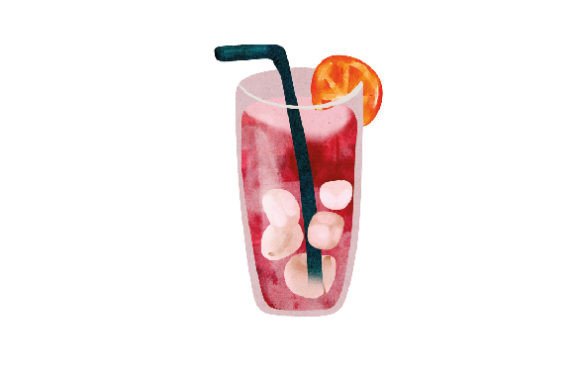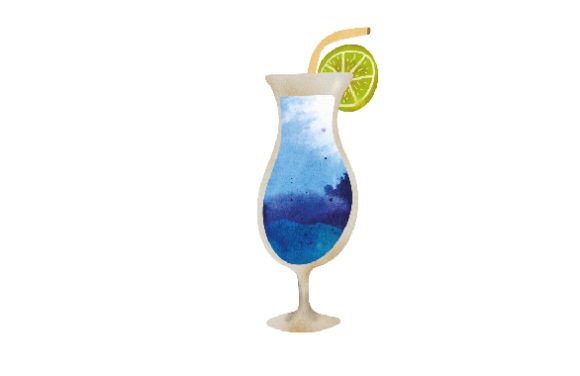
A Blue Lagoon Cocktail Crafts Asset for Happy Hour Content
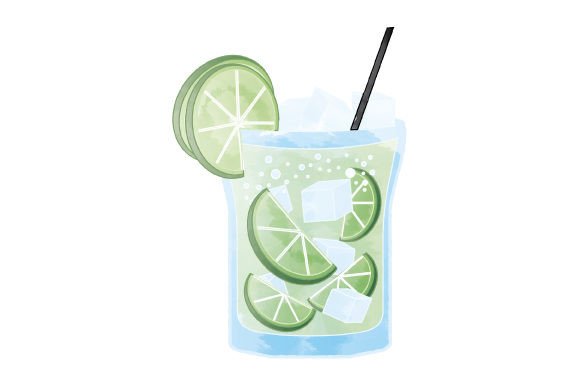
When you’re sourcing design assets for your publishing workflow, the first impression matters immensely. Opening the file for this Blue Lagoon Cocktail Watercolor graphic, my immediate thought was “playful elegance.” The watercolor style lends an artistic, handcrafted mood that feels both lifestyle-focused and decorative. It’s not a sterile stock photo; it’s a creative graphic design asset that suggests craftsmanship, celebration, and a touch of feminine flair.
Establishing a Polished Editorial Mood
This asset directly supports content niches centered around crafts, DIY, happy hour recipes, at-home entertaining, and creative hobbies. The watercolor texture creates a soft, inviting visual that builds reader trust—it feels authentic and thoughtfully made, which translates to your content appearing more genuine and less generic. In a landscape of overly crisp digital imagery, this artistic touch can make your blog graphics stand out as warm and approachable.
Where This Watercolor Cocktail Graphic Works Wonders
As an experienced blog designer, I see immediate applications in real publishing scenarios. This isn’t just a pretty picture; it’s a versatile tool for visual communication.
- Blog Featured Images & Article Headers: It creates a strong focal point. Place it as a centerpiece with your headline text overlay for posts about cocktail recipes, craft party ideas, or printable drink guides.
- Pinterest Pins & Social Media Graphics: The transparent PNG format is key here. Layer it over a textured background or a solid color block to create pins with clear visual hierarchy and better click-through potential. Its artistic style is perfect for Pinterest’s aesthetic.
- Website Banners & Newsletter Headers: Use the SVG file for crisp scaling in a website header announcing a “Summer Cocktail Crafts” series or as a banner in your email newsletter to visually define the content.
- Digital Guides & Lead Magnets: This graphic elevates downloadable resources. Imagine it on the cover of a “Craft Your Own Happy Hour” eBook or as a decorative element within a digital guide worksheet. It instantly makes the product feel more professional and valuable.
- Category Thumbnails & Editorial Accents: Use it to visually tag all content in your “Happy Hour” or “Crafts” blog categories, creating stronger category recognition and a consistent visual identity across your site.
- Affiliate Content Visuals: For affiliate marketing pages promoting bar tools, craft supplies, or recipe books, this asset provides a trustworthy, non-commercial-looking visual that supports the recommendation without feeling like a direct ad.
Supporting Content Performance Through Design
The true value of a graphic design asset like this lies in its ability to improve your entire content system. Here’s how it contributes to performance:
- Stronger First Impression: In a reader’s feed, a watercolor graphic attracts attention differently than a standard photo, promising a creative or tutorial-based read.
- Better Click-Through Potential: On social media or in search results, a unique, branded thumbnail using this asset can outperform a generic one.
- More Consistent Branding: Repeated use across blog graphics, social media previews, and digital products builds a cohesive, recognizable look for your niche.
- Improved Reader Trust: Polished, intentional design signals expertise and care, making readers more likely to engage and return.
- More Professional-Looking Pages: Integrating such assets into editorial layouts breaks up text, adds visual relief, and makes content pages look curated rather than bare.
The Ideal Placement: Hero Images & Content Upgrades
This Blue Lagoon Cocktail Watercolor excels as a hero image. Its composition naturally draws the eye. It’s also perfect for content upgrades and downloadable printables—think a cocktail recipe card or a party planning checklist decorated with this graphic. For Canva templates you create for your audience, the included EPS and DXF formats allow for flexible editing and customization, making it a foundation for a whole suite of branded materials.
Practical Publisher Notes & Considerations
Before deploying any asset into your workflow, a few real-world checks are essential.
First, always test it. Preview the graphic inside your actual blog layout template. See how it looks as a small mobile thumbnail—the watercolor details should still be discernible. Overlay headline text on it; test with both a clean sans-serif font for a modern design feel and a playful script font to match its artistic style. Check contrast and readability.
Second, consider technical performance. The SVG and transparent PNG files are web-friendly, but always compress final images properly for page speed. The multiple file formats (SVG, PNG, EPS, DXF) are a publisher’s dream, offering scalability for web design and adaptability for print-based digital products like media kits or physical printables.
Third, be mindful of context. This asset should be used carefully in a few situations. On text-heavy blog images where it might become a busy background, it could reduce readability. For very serious, corporate professional niches, its playful, artistic mood might feel incongruent. In extremely minimal visual systems, it might stand out as too decorative.
Final Thoughts for Creative Entrepreneurs
For bloggers, digital marketers, and small business owners in the crafts and lifestyle space, this Blue Lagoon Cocktail Watercolor graphic is more than a decoration. It’s a commercial design element that supports content marketing from top to bottom. It helps turn a standard blog post into a visually compelling story, a simple Pinterest pin into a branded piece of art, and a basic downloadable into a polished lead magnet. By integrating such thoughtful design assets, you’re not just filling a visual gap—you’re building a stronger, more attractive, and more trustworthy digital presence. Always confirm the commercial licensing for use on monetized websites and paid content products, but once secured, this asset becomes a reliable part of your toolkit for creating content that not only informs but also delights.